
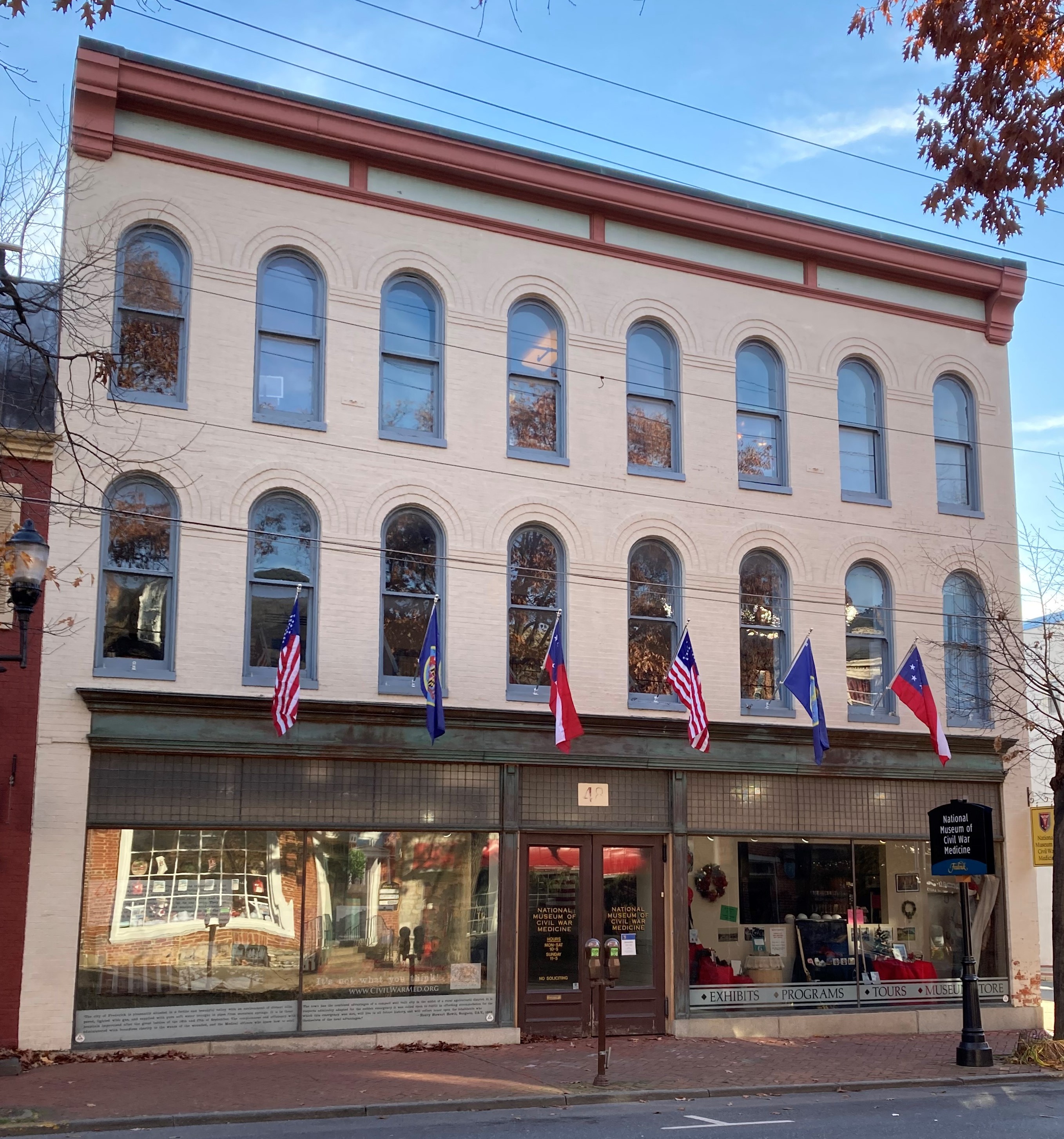
National Museum of Civil War Medicine
I spent the last 2 years living in Frederick, MD, a small city that has plenty of history behind it. One of my volunteer jobs was at the National Museum of Civil War Medicine, where I conducted museum and walking tours. The museum is right in the heart of old town Frederick.
The museum has 8 galleries. This post covers the first four galleries. Another post will cover the last four galleries.
Medicine in 1860
 First Use of Anesthesia in 1846 |
 Medical Education Circa 1860 |
The museum’s self-guided tour begins on the second floor with an overview of the state of medicine and medical care in 1860. The bad news was they didn’t know that disease was caused by germs, that infection was bad, or that a clean, sanitary environment was crucial for recovery. Their concepts regarding disease and its treatment could be traced back more than 1500 years to the ancient Greeks and Romans. Common treatments included drugs to produce excessive amounts of bleeding, sweating, blistering, urinating, and purging (from both ends). If a patient recovered, it was more often than not despite medical treatment.
One piece of very good news, at least for Civil War soldiers, was that use of anesthesia was very common; 95% of all Civil War surgeries were performed under anesthesia. Biting the bullet is a myth that still won’t die.
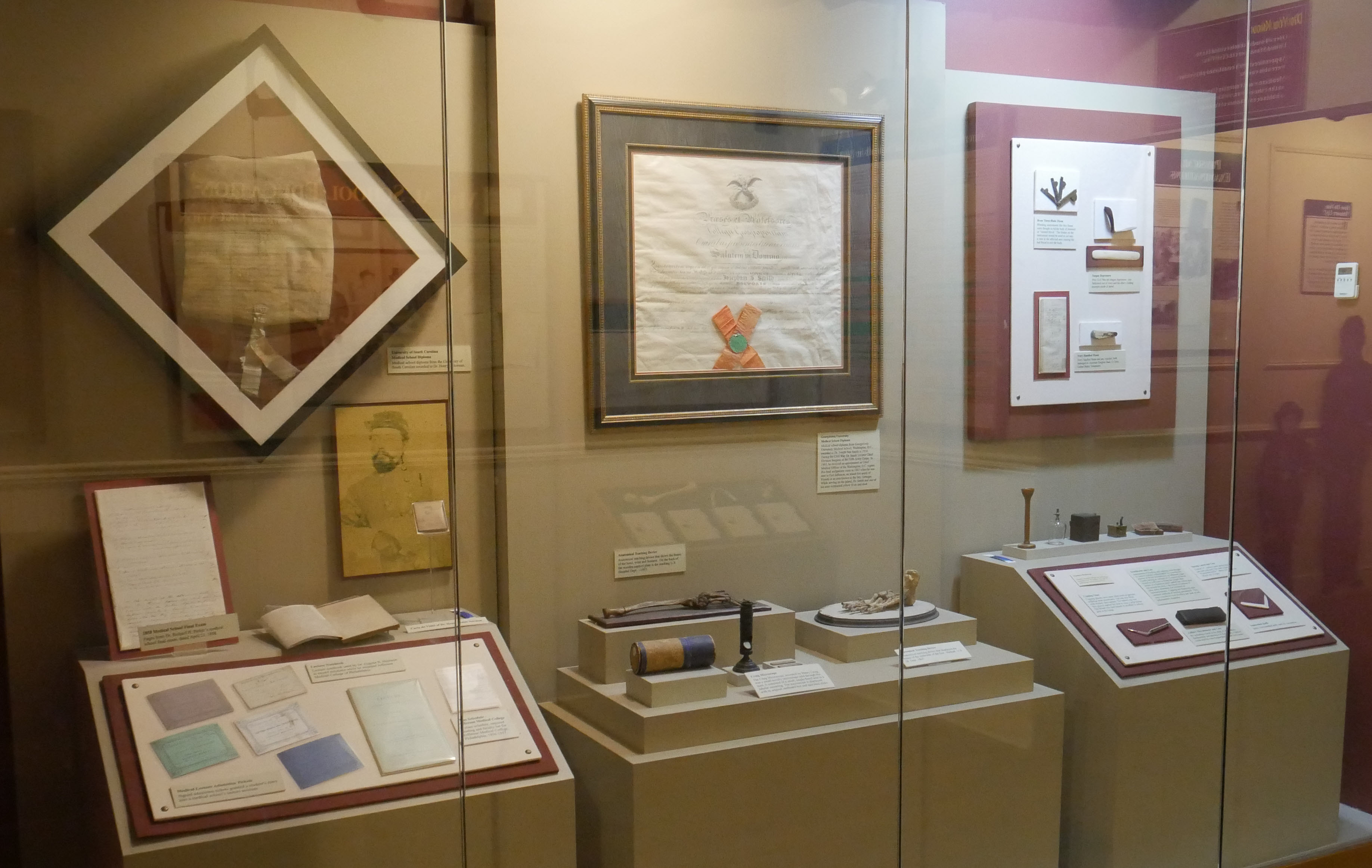
In 1860, you could get a medical degree in two years. There were no entrance, graduation, licensing, or insurance requirements. Many medical schools were proprietary, a fancy word for profit-making. In many cases the only “entrance” requirement was the ability to pay the fees. You could, theoretically, become a doctor without ever having touched a patient. The probability of witnessing the dissection of a cadaver was very slim. And that cadaver was probably obtained by a grave robber.
Recruitment
 Men Who Served the Union |
 Rallying Around the Flag |
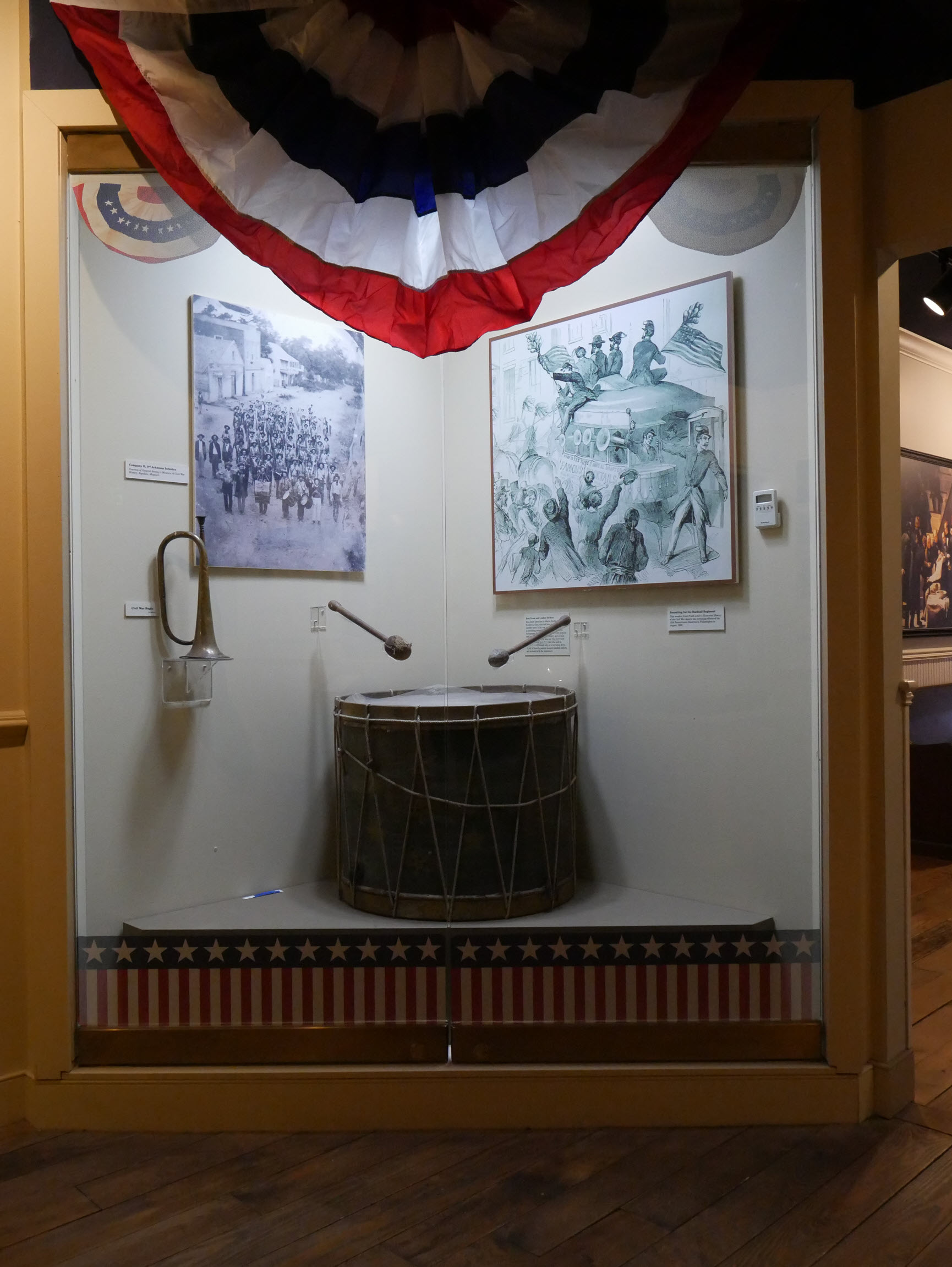
Right after Fort Sumter President Lincoln called for 75,000 volunteers for 90 days. Confederate President Jefferson Davis asked for 100,000 volunteers for one year. The powers that be thought it would be a short war – one grand battle would settle it. You know how that turned out.
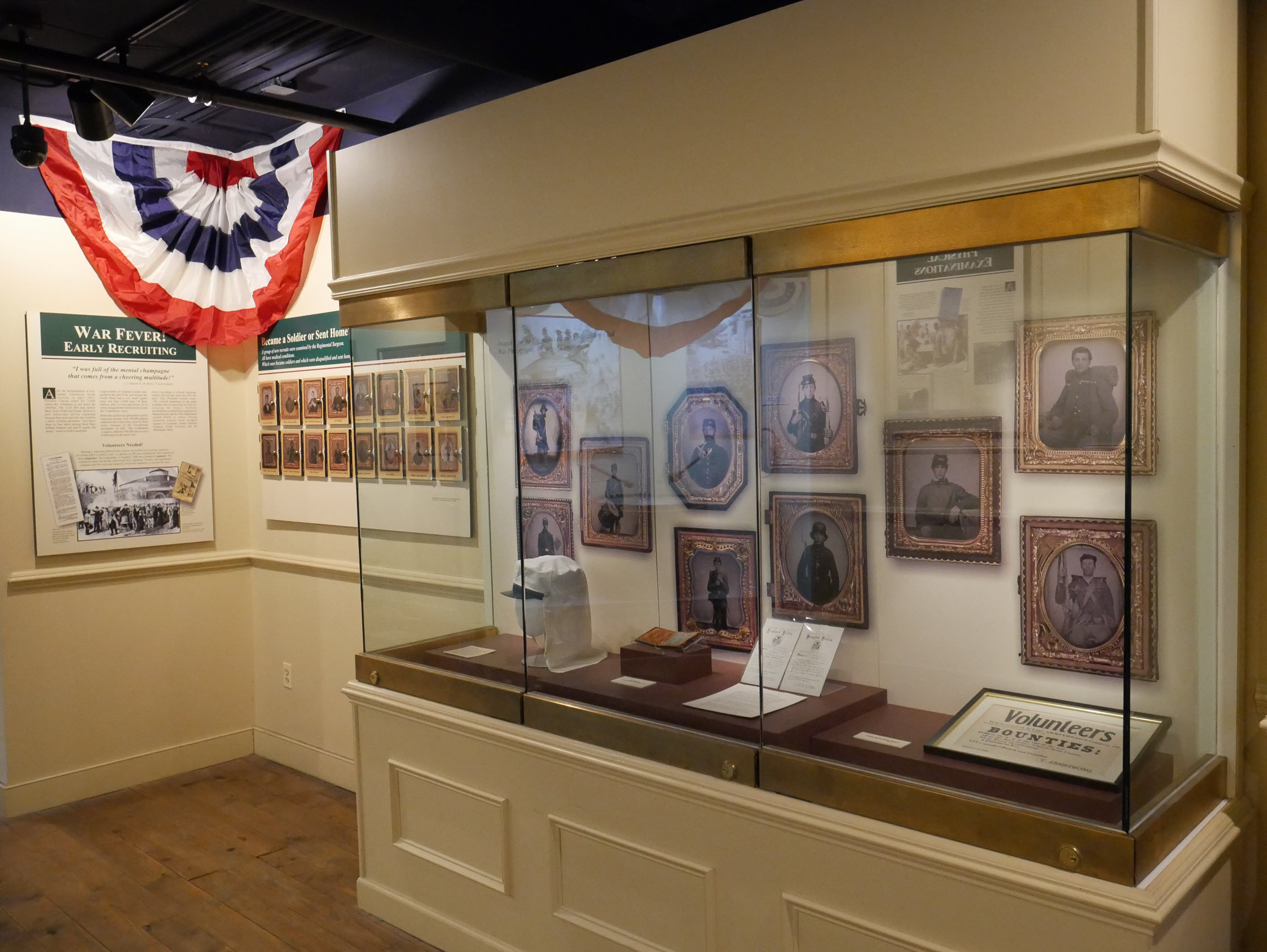
Patriotic fervor and the desire to get into the fight before it was over drew tens of thousands of men to recruiting centers. Local politicians, wannabe war heroes, pushed to fill the ranks with anyone they could get. So, early in the war the screening process left a lot to be desired and up to 20% of recruits were unfit for active service. Drug addicts, alcoholics, ex-cons got in. Men suffering from pneumonia, tuberculosis, and chronic illnesses such as epilepsy got in. And 400 to 1,000 women managed to pass the screening process and got in.
Some of the physical requirements may seem a little odd. You could enlist if you were blind in your left eye but not your right because you had to use your right eye to aim your rifle. You also had to have two upper and lower front teeth or you were out because you had to tear open the paper cartridges that contained the powder and bullet. Rumor has it that’s where the term 4F came from. You’d be rejected if you were missing a big toe because you couldn’t march long distances.
When the war started the US Army had 16,000 officers and men. Within a year and a half the Union Army alone had 600,000 officers and men.
Life and Death in an Army Camp
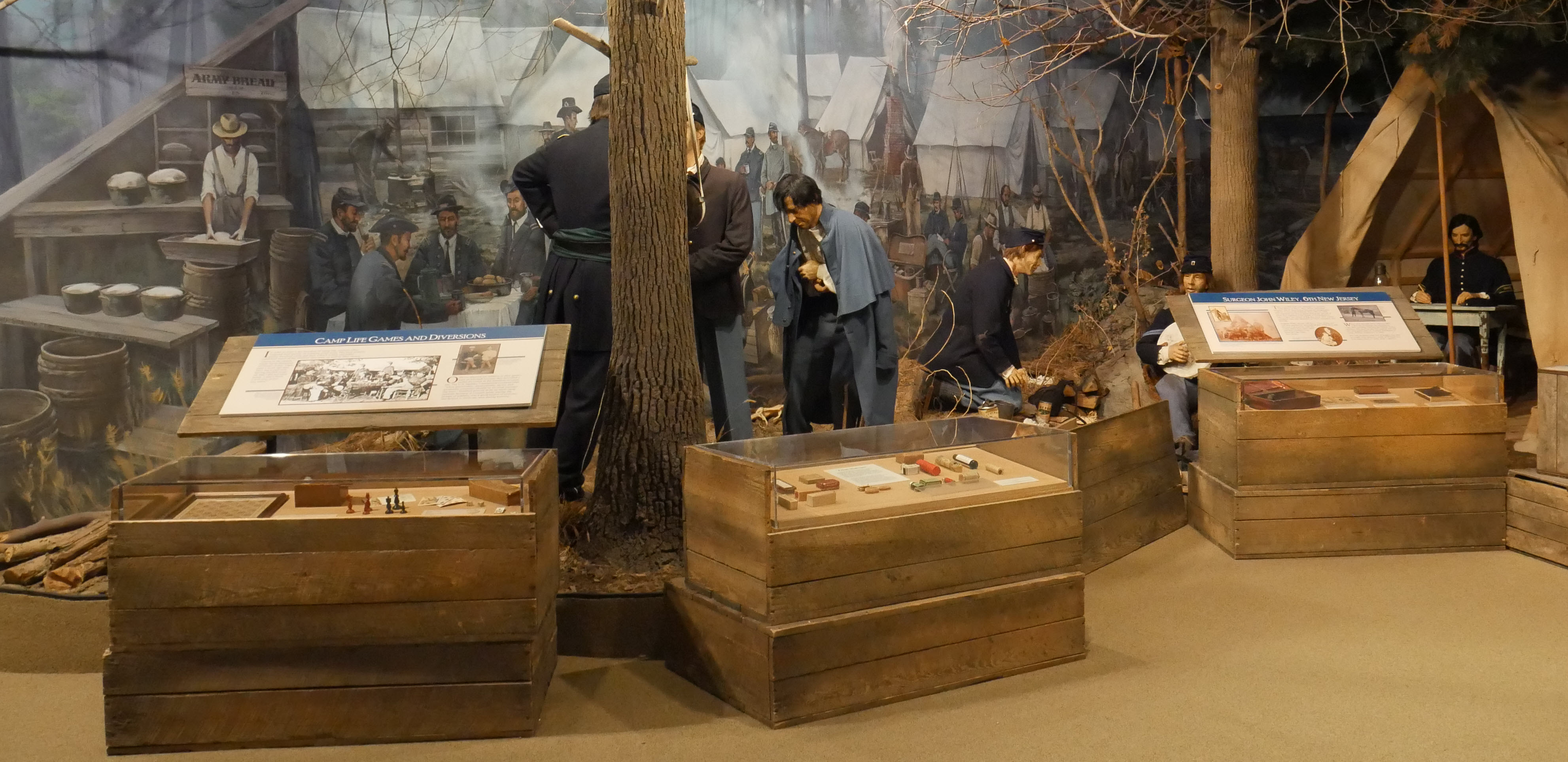 Morning Sick Call |
You had a better chance of surviving a pitched battle than an army camp. Of 600,000 Civil War deaths, more than 400,000 were due to disease. (Current estimates range up to 750,000 deaths with more than 500,000 due to disease.)
There were four primary reasons for such a high death rate.
First, thousands of young men (and a few women) were crowded together in makeshift army camps. Soldiers who brought communicable diseases such as measles, chicken pox, and tuberculosis with them readily spread it among the other men. Epidemics of these and other diseases would waylay a large percentage of the camp population.
Second, sanitation was abysmal. Most regimental commanders were not professional soldiers and generally ignored the condition of their camps, believing their duty was to train their troops to fight. Regimental surgeons, most coming into the Army from private practice, did not know, and if they did, did not have the power to enforce army sanitary rules. As a result, filthy camps led to contaminated water supplies, which led to epidemics of diarreah and dysentery.
Third, an army diet often consisting of hardtack, salt pork, dried beans, and coffee, were light on vegetables and fruits, and lacked essential vitamins, minerals, and nutrients. Poor diet could lead to night blindness (lack of vitamin A) and scurvy (lack of vitamin C).
Fourth, the physical demands of soldiering slowly weakened the men making them more susceptible to injury and disease.
Put those four ingredients together and you’ve made a pestilential stew.
The Beginning of a Professional Ambulance Corps
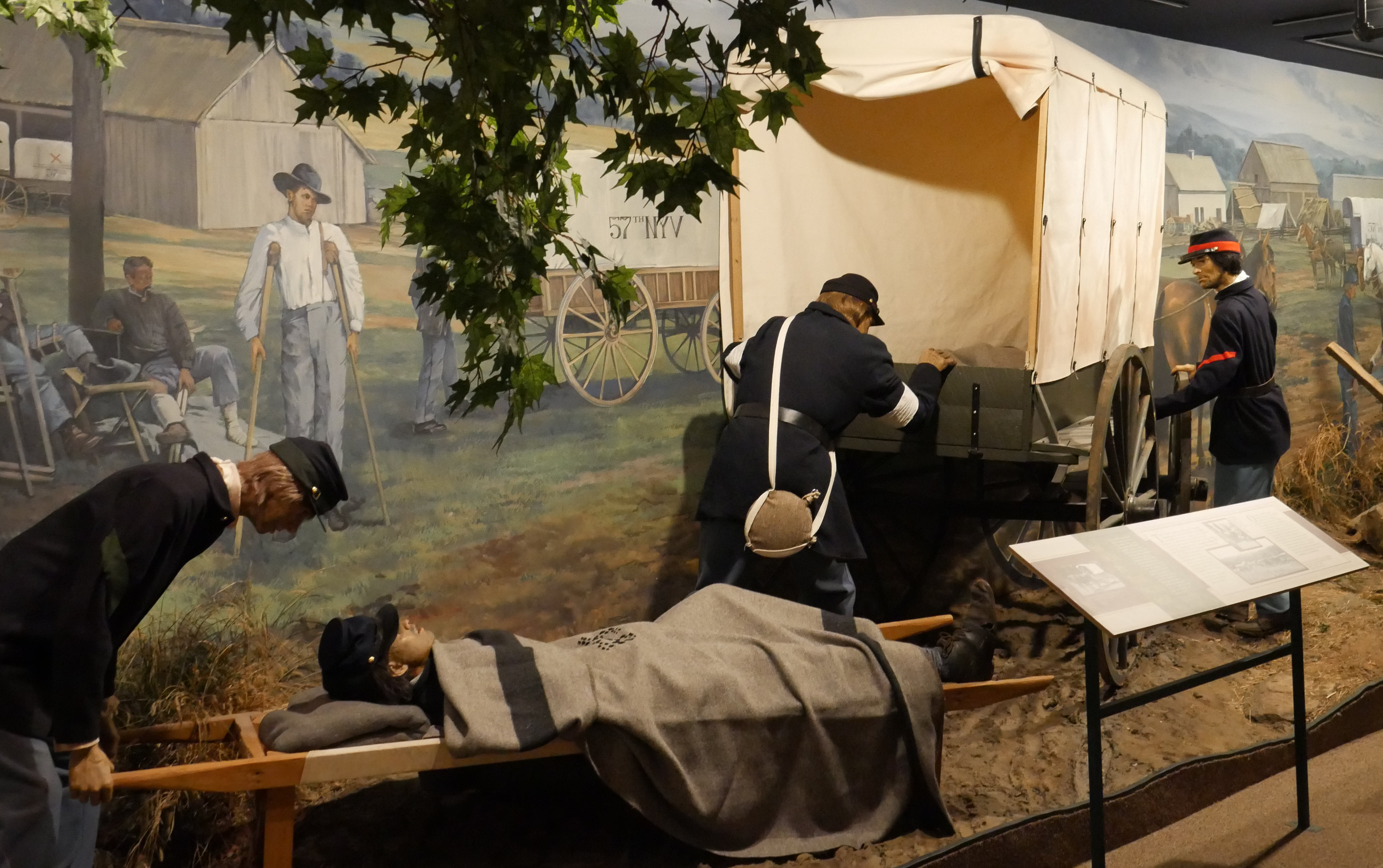 Ambulance Corps at Work |
The first battle of Manassas in July 1861 resulted in about 5,000 casualties. At that time ambulances were controlled by the Quartermaster Corps. Regimental musicians and convalescent soldiers were detailed to drive the ambulances and pick up wounded soldiers during the battle. More often than not, ambulances (assuming they were available) disappeared with their drivers when the first shots were fired. Stretcher bearers also disappeared. Many wounded soldiers lay on the battlefield for up to a week without food, water, shelter, or first aid.
Fortunately for the soldiers, there were a few good men and women who made significant changes in the care and treatment of Civil War soldiers. Among the most famous was Dr. Jonathan Letterman, who was appointed medical director of the Army of the Potomac on July 4, 1862. With the support of that army’s commanding general, George McClelland, Dr. Letterman urged the creations of the first professional ambulance corps. The order was signed on August 2, 1862.
He immediately set to work building that corps from scratch. Six weeks later that battle of Antietam took place (September 17, 1862). It was the deadliest one-day battle in US history with 23,000 casualties. Through Dr. Letterman’s efforts, the ambulance corps was active and ready. Within 24 hours of the end of the fighting, every wounded soldier had been evacuated from the battlefield.
TO BE CONTINUED…
J


 Spirit of the Woods